

When I quit my job at the bookshop to start my first bookstore, my friends thought I was crazy. No business degree. No startup capital. Just me and my co-founder, a worn notebook, and an idea that wouldn’t let us sleep at night.
But here’s what I learned: you don’t need to have everything figured out to start. You just need to start.
Why We Started Wardoh Books
We needed a name. The name ‘Wardoh’ came to us later when I rebuilt the company during one of those late-night brainstorming sessions. We combined “ward” (meaning to guard or protect) with “oh” (that moment of reflection and understanding). It perfectly captured what we wanted to do—preserve Singapore’s stories and share them with the world.
Working at the bookshop, we’d noticed something interesting. Young readers would light up when they found folktales with a modern twist. Older customers gravitated toward memoirs that reminded them of home. But there weren’t enough books bridging these worlds—stories that honored our heritage while feeling fresh and accessible.
That gap? That was our opportunity.
Starting Small: What Actually Worked
We won’t sugarcoat it—we had no investors, no hired team (it was just the two of us), and definitely no safety net. But we had something more valuable: clarity about what we wanted to create.
Here’s how we actually got started:
- We talked to real people. Instead of assuming what readers wanted, we spent weeks chatting with local writers at coffee shops. We asked bookshop regulars what they wished existed. These conversations shaped everything.
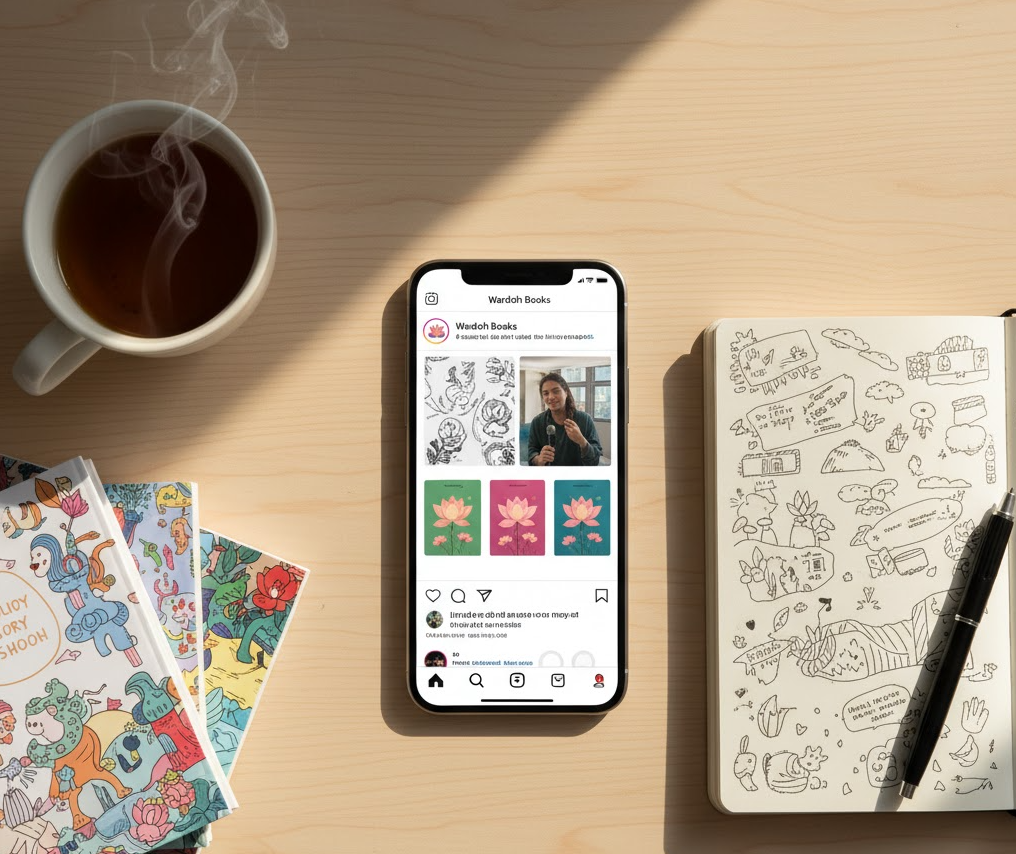
- We kept costs low. Our first collection was just five stories. We designed simple covers inspired by lotus flowers—something culturally meaningful but not expensive to produce. We printed small batches to test the market.
- We used what we had. No money for marketing? Instagram became our storefront. We shared behind-the-scenes glimpses of working with writers, snippets of stories, and the creative process. People are connected with authenticity.
What I Wish Someone Had Told Me About Starting a Business
Looking back, there are a few things that made the difference between giving up and pushing through.
Know Your “Why”
Before spending a single dollar, we forced ourselves to answer tough questions: What do we really want? Why does this matter? Are we willing to work nights and weekends for this?
These weren’t just philosophical exercises. On hard days (and there were many), remembering our “why” kept us going.
I’ll never forget another rainy afternoon around 3 p.m. The boxes of a brand-new collection of books arrived, fresh from the printer. But when I opened the first box, my heart stopped. A major printing error. The colors were off, the layout was misaligned, and even some of the cover text was blurry.
It was a costly mistake we couldn’t afford to fix, and the urge to just give up—to quit and go back to a “safe” job—was overwhelming. But then I thought about the writers who had trusted us with their stories. We had made a commitment, not just to ourselves, but to them. That purpose, that promise, became our anchor. It pulled us through that obstacle, and every obstacle after.
Be Someone Who Takes Action
I noticed early on that entrepreneurs fall into two camps. Some people are idea generators—they see possibilities everywhere and act on them quickly. Others wait for perfect conditions that never come.
I’m naturally more cautious, so I had to train myself to act faster. When we had an idea for a new anthology, we’d give ourselves 48 hours to take one concrete step—even if it was just emailing a writer or sketching a cover concept.
You don’t have to be fearless. You just have to move forward despite the fear.
Play to Your Strengths (and Know Your Weaknesses)
Early on, I grabbed a notebook and drew a line down the middle. On one side, I listed what I was genuinely good at—connecting with writers, understanding what readers wanted, and creating visually appealing designs. On the other side, my weaknesses—accounting, legal paperwork, and social media algorithms.
This simple exercise changed everything. We stopped trying to do everything ourselves. We bartered design work for accounting help. We watched YouTube tutorials for the legal basics. We focused our energy where we could actually make an impact.
Don’t Just Copy—Improve
When we researched the market, we found plenty of books about Singapore. But many were either too academic or too simplified. We didn’t need to invent something completely new—we just needed to do it better.
Our books bridged that gap: accessible enough for young readers, substantive enough for adults. Affordable but beautifully designed. Modern storytelling that honored tradition.
You don’t need a revolutionary idea. You need to serve your customers better than anyone else.
The Research That Changed Everything
Here’s what saved us from costly mistakes: We obsessively studied our audience before printing a single book.
We spent two months just watching. What were people buying? What reviews did they leave? What did bookshop conversations reveal about what was missing?
We discovered that readers wanted:
- Stories they could finish in one sitting (attention spans are real)
- Beautiful books they’d display, not hide
- Pricing that didn’t require choosing between books and groceries
- Content that felt authentically Singaporean, not generic Asian stories
This research shaped every decision—from story length to pricing to cover design. It’s why our first collection sold out in three weeks instead of gathering dust.
The Hard Truth About Commitment
Let me be honest: there were nights I questioned everything. Moments when steady employment seemed pretty appealing compared to uncertain book sales.
But we’d made a commitment—not just to ourselves, but to the writers trusting us with their stories and the readers waiting for books that represented them.
Commitment isn’t about never doubting. It’s about showing up even when you do.
We created systems to help: weekly planning sessions every Sunday, monthly check-ins with my mentor, and daily reminders of why we started. Small habits that kept us moving when motivation faded.
What’s Next for Wardoh Books
We’re now expanding into schools, working with teachers to bring these stories into classrooms. We’ve published 12 collections and partnered with 40 Singaporean writers.
But more importantly, I’m watching young readers discover characters that look like them, speak like them, and navigate worlds they recognize. That’s why we started this.
If You’re Thinking About Starting Something
You don’t need everything figured out. You need:
- A clear reason that matters to you
- The willingness to start before you’re ready
- Enough humility to learn as you go
- The discipline to keep showing up
Starting Wardoh Books taught me that entrepreneurship isn’t about having all the answers. It’s about being brave enough to figure them out along the way.
If you’re sitting on an idea right now, ask yourself: What’s one small step I could take this week? Not next month. Not when conditions are perfect. This week.
That’s how it starts. That’s how anything worth doing starts.
